AI is reshaping healthcare faster than any other industry. From clinical documentation to diagnosis support, the right tools can save hours per day and improve patient outcomes.
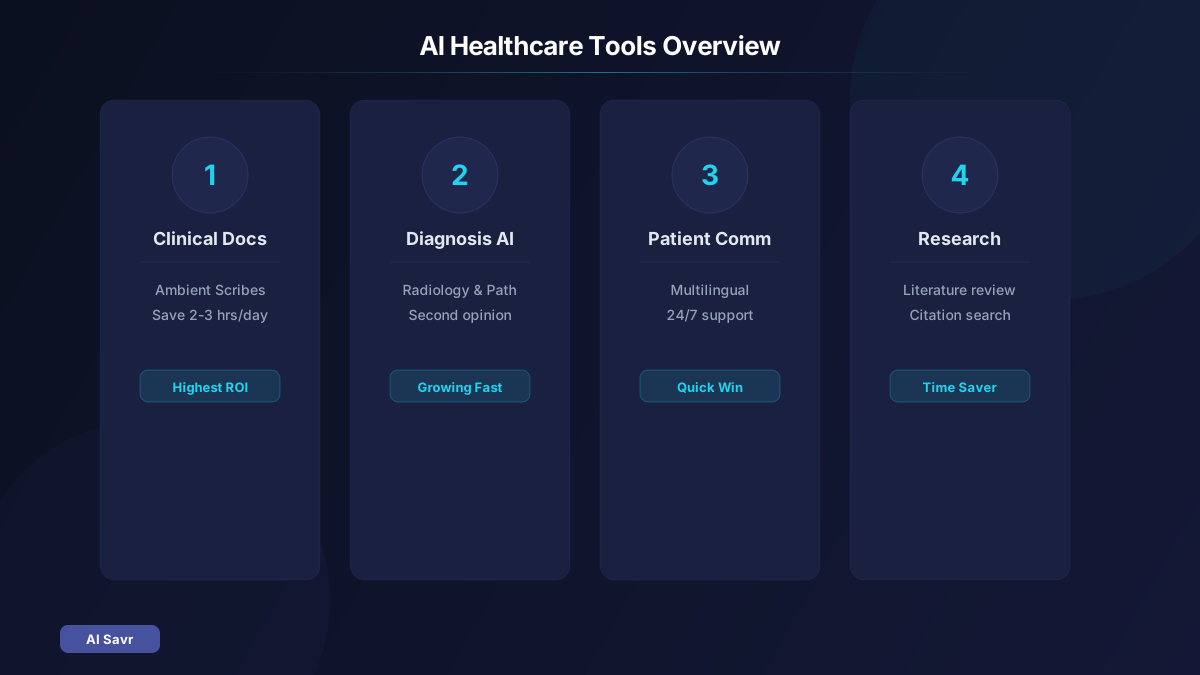
This is not about replacing doctors. It is about giving healthcare professionals better tools so they can focus on what matters: patient care.
Clinical Documentation Tools
The biggest time drain in healthcare is documentation. AI is fixing that.
Ambient AI Scribes listen to patient encounters and generate structured clinical notes automatically. Nuance DAX, Abridge, and Nabla are leading this space. Most integrate directly with Epic, Cerner, and other EHR systems.
Key benefits:
- 2 to 3 hours saved per day on documentation
- More accurate notes with less physician burnout
- Real-time coding suggestions for billing accuracy
ChatGPT and Claude can also help draft patient education materials, referral letters, and care summaries.

Diagnosis and Decision Support
AI diagnostic tools are not replacing clinical judgment. They are adding a second set of eyes.
Radiology AI tools like Aidoc and Viz.ai flag critical findings on imaging scans, reducing time to diagnosis for strokes, pulmonary embolisms, and fractures.
Pathology AI from Paige and PathAI helps identify cancer markers with higher consistency than manual review alone.
Clinical Decision Support: Perplexity is becoming a go-to research tool for clinicians who need fast, cited answers to clinical questions.
Patient Communication
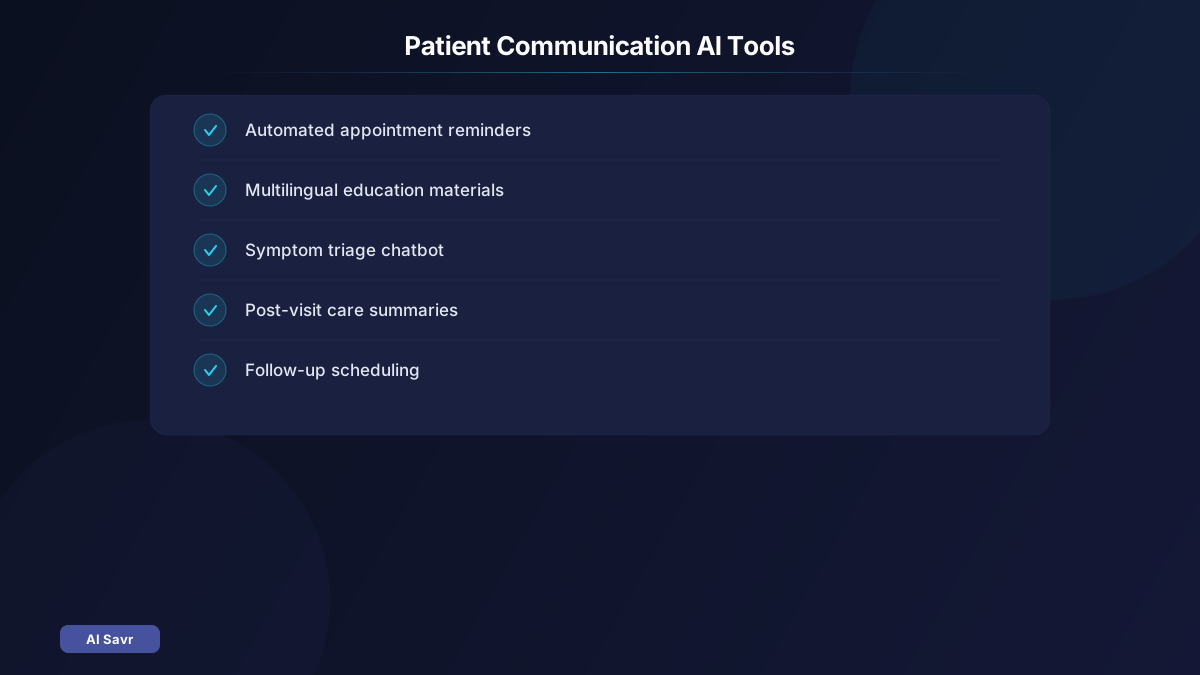
AI helps bridge the gap between clinical visits:
- Automated appointment reminders and follow-up messages
- Multilingual patient education powered by ChatGPT
- Symptom triage chatbots that route patients appropriately
- Post-visit care plan summaries generated from visit notes
Medical Research and Literature Review
Perplexity and Claude excel at synthesizing medical literature. You can ask complex clinical questions and get referenced answers in seconds instead of hours of PubMed searches.
For research teams, AI tools can:
- Screen thousands of abstracts for systematic reviews
- Extract data from clinical trial reports
- Generate literature review drafts with citations
- Identify gaps in existing research
Data Security and Compliance
Healthcare AI demands the highest security standards.
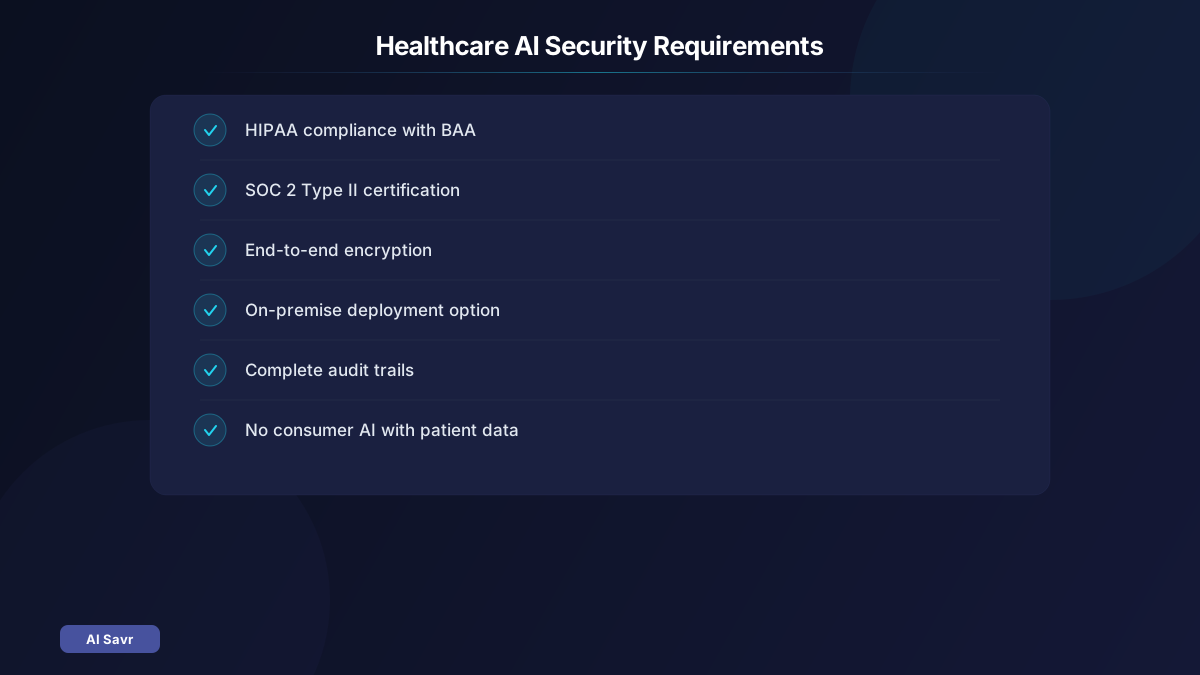
Must-have requirements:
- HIPAA compliance with BAA agreements
- SOC 2 Type II certification
- End-to-end encryption for patient data
- On-premise or private cloud deployment options
- Audit trails for all AI-generated content
Never use consumer AI tools with identifiable patient information. Always use healthcare-specific or enterprise-grade deployments.
Getting Started Checklist
- Identify your biggest time drain (documentation, research, communication)
- Start with one tool that addresses that specific pain point
- Verify HIPAA compliance and get a BAA in writing
- Pilot with a small team before full rollout
- Measure time saved and error reduction after 30 days
Related Resources
The Bottom Line
Healthcare AI is not science fiction anymore. The best tools are already saving clinicians hours per day on documentation, catching critical findings faster, and improving patient communication. Start with one proven tool, ensure compliance, and build from there.